


-

Uno sguardo al futuro
Questo blog intende essere uno sguardo al futuro. Ad un futuro che sta prendendo forma, ad un futuro che ci incuriosisce e ci sorprende, guidato dalle grandi sfide globali del nostro tempo.
Articolo stampato dal sito https://www.carlocarraro.org
Una Nuova Era per l’Europa
Data: 11 Marzo 2022
Nel rispondere alla crisi pandemica, l’Unione Europea si è discostata notevolmente dal suo passato di mosse incrementali e intergovernative, che hanno reso difficile agire rapidamente o assicurare un sostegno fiscale centralizzato. L’UE e i suoi Stati membri si sono mobilitati per affrontare le sfide della minaccia sanitaria globale con efficaci misure sul fronte vaccinale e un pacchetto di ripresa economica di nuova generazione, finanziato da prestiti pubblici congiunti. Ora è il momento di costruire su questo successo per dare forma ad una nuova Europa. La fiducia dei cittadini è essenziale per il successo dell’UE. Il modo migliore per guadagnare questa fiducia è mantenere lo slancio in avanti. Il senso di urgenza promosso dalla pandemia deve essere preservato per gestire una tripla transizione nelle aree del cambiamento climatico, della trasformazione digitale e dell’evoluzione sociale.[1]
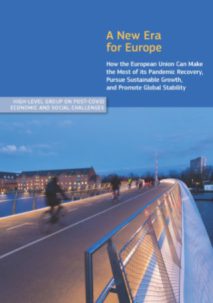 In un rapporto da poco pubblicato dall’Unione Europea, preparato da sette economisti, sociologi e politologi, con il coordinamento della DG ECFIN (si veda Carraro et al. 2022), esploriamo le sfide finanziarie, politiche e ambientali che ci attendono e proponiamo una serie di raccomandazioni per assicurare un futuro migliore per l’Unione Europea. Le raccomandazioni sono organizzate in cinque aree: 1) consentire la tripla transizione; 2) applicare una tassazione equa ed efficace; 3) andare verso un’Unione per la Salute, per migliorare la protezione sanitaria dei cittadini; 4) rafforzare il ruolo dell’Europa nel mondo; e 5) rendere la governance dell’Unione Europea adatta ai nuovi obiettivi.
Il testo completo del Rapporto può essere scaricato qui:
I punti più rilevanti del rapporto possono essere così sintetizzati:
- Le risorse finanziarie in Europa sono oggi abbondanti. Si tratta di indirizzarle per finanziare la tripla transizione, incanalando i finanziamenti pubblici e privati verso i progetti giusti che la caratterizzano. A tal fine un ridisegno delle politiche budgetarie e fiscali è necessario.
- Per quanto riguarda il settore pubblico, l’Unione Europea dovrebbe completare il progetto NextGenerationEU (NGEU) e creare una capacità comune di investire nella fornitura di beni pubblici europei e globali. Inoltre, dovrebbe adeguare le sue regole fiscali per consentire pratiche di bilancio che tengano pienamente conto del miglioramento a lungo termine della sostenibilità fiscale che tali investimenti comportano. Per quanto riguarda il settore privato, l’UE può stimolare gli investimenti rafforzando l’Unione bancaria, muovendosi più velocemente verso l’Unione dei mercati dei capitali, e rafforzando gli incentivi a scegliere investimenti che aiutino a limitare i cambiamenti climatici e ad attenuarne le conseguenze negative su economia e società.
- Nel rapporto proponiamo un nuovo NGEU 2.0 per distribuire risorse in modo uniforme in tutta l’Unione, per progetti che soddisfino una definizione di interesse pubblico concordata congiuntamente. Questo fornirebbe finanziamenti per progetti meritevoli, allevierebbe l’onere sui bilanci nazionali e garantirebbe il debito denominato in euro che il primo NGEU ha reso possibile. Come effetto successivo, rendere permanente l’emissione di debito UE su larga scala rafforzerebbe l’euro come moneta globale, sostenendo la moneta europea sui mercati finanziari mondiali.
- L’UE dovrebbe anche dotarsi di un nuovo Patto di sostenibilità e crescita (PSC 2.0) per migliorare l’attuale Patto di stabilità e crescita. Il PSC 2.0 assicurerà che la pianificazione fiscale prenda in considerazione rischi grandi e prevedibili come il cambiamento climatico. Investire per portare l’UE su un percorso a emissioni nette zero è probabile che ripaghi sé stesso nel lungo termine, poiché eviterà almeno in parte i grandi costi legati al cambiamento climatico che altrimenti colpirebbero le finanze pubbliche in futuro.
- La fiducia dei cittadini sarà essenziale perché l’UE possa svolgere la sua missione. L’Unione ha visto un aumento delle disuguaglianze economiche negli ultimi anni. Anche prima della pandemia, alcuni paesi e regioni erano più indietro rispetto ai migliori performer in Europa. Con la pressione aggiuntiva delle chiusure e di altre misure di salute pubblica, gli effetti negativi si sono accumulati soprattutto nei confronti dei gruppi più vulnerabili, come i giovani adulti, i pensionati e le donne in generale. L’Unione Europea dovrebbe quindi favorire ed incentivare un approccio proattivo per sostenere tutti i livelli della società e tutte le regioni geografiche. La giustizia sociale è infatti un elemento essenziale per conseguire gli obiettivi dell’UE, siano essi proteggere il pianeta o avere successo in un mondo sempre più digitale. La politica fiscale è una via per rendere la società più equa e allo stesso tempo per raccogliere i fondi necessari al finanziamento pubblico di progetti che aumentino l’equità sociale.
- Infine, raccomandiamo che l’UE agisca ora per rafforzare le sue istituzioni. I governi locali, nazionali e dell’UE devono essere più efficienti, più trasparenti e più responsabili nei confronti dei loro cittadini. L’UE deve fare tutto il possibile per evitare una ripresa economica di cui beneficiano solo alcuni dei suoi cittadini. Alcuni segmenti della società sono ben posizionati per sfruttare al meglio le opportunità digitali e le politiche rispettose del clima. I cittadini più avvantaggiati si potranno spesso trovare all’ estremo opposto dello spettro politico rispetto alle comunità che sentono di essere state lasciate indietro. Rendere le istituzioni dell’UE più forti e responsabili contrasterà questa tendenza e forse agirà come un baluardo contro i movimenti populisti.
L’implementazione della tripla transizione ed il suo successo in tempi rapidi sono l’unico modo per sostenere una crescita elevata e sostenibile dal punto di vista ambientale e sociale. La transizione verde è inevitabile. Più tardi inizia e più a lungo dura, più alti saranno i costi economici e sociali. Tuttavia, senza sufficienti progressi con la digitalizzazione, e più in generale con la promozione dell’innovazione, i costi macroeconomici di una ambiziosa transizione verde potrebbero rendere tale transizione socialmente e politicamente insostenibile. Le tre transizioni sono quindi strettamente interconnesse! In una fase post-pandemica è fondamentale sfruttare le opportunità di rilancio dell’economia per impostare un nuovo modello di crescita, basato su sistemi di formazione più moderni ed efficaci, su una protezione sanitaria estesa, su una maggiore equità, su investimenti pensati per crescere in modo sostenibile, prevenendo quando possibile i cambiamenti climatici ed adattandoci a quelli che purtroppo non riusciremo ad evitare.
Riferimenti bibliografici
Carraro, C, B Coeuré, O Dhand, B Eichengreen, M C Mills, H Rey, A Sapir and D Schwarzer (2022), A New Era for Europe. How the European Union can make the most of its pandemic recovery, pursue growth and prosperity for all, and establish global leadership, DG ECFIN High-Level Group on post-COVID Economic and Social Challenges, Brussels.
[1] Questo post è una sintesi dell’executive summary di “A New Era for Europe” di Carlo Carraro, Benoît Cœuré, Otilia Dhand, Barry Eichengreen, Melinda Mills, Hélène Rey, André Sapir, Daniela Schwarzer. https://ec.europa.eu/info/publications/new-era-europe-how-european-union-can-make-most-its-pandemic-recovery-pursue-sustainable-growth-and-promote-global-stability_en
Lezioni ed Interviste

TEDX - Il clima è già cambiato
Il clima è già cambiato, è un problema da affrontare oggi e non domani: se ne siamo...
Intervista - Transizione ecologica in UE, per completarla...
Intervista al Prof. Carlo Carraro su Il Corriere della Sera - L'Economia. Leggi...
Intervista - Cercare gas in Adriatico: risposta sbagliata...
Intervista al Prof. Carlo Carraro su Il Corriere del Veneto. Leggi l’intervista...
Segui il Blog