


-

Uno sguardo al futuro
Questo blog intende essere uno sguardo al futuro. Ad un futuro che sta prendendo forma, ad un futuro che ci incuriosisce e ci sorprende, guidato dalle grandi sfide globali del nostro tempo.
Articolo stampato dal sito https://www.carlocarraro.org
La crescita del Nord Est a confronto con l’Europa
Data: 10 Febbraio 2020
L’analisi dell’evidente grande divario economico delle regioni del Nord Est rispetto alle altre regioni italiane non ci restituisce una misura del livello di progresso di queste regioni rispetto alle altre regioni Europee. Il fatto che il loro livello di sviluppo sia superiore a quello del resto d’Italia non è sufficiente per concludere che la situazione economica, almeno in queste regioni, abbia raggiunto livelli soddisfacenti, né per concludere che nei prossimi anni si potranno mantenere questi livelli di competitività.
Vale la pena quindi confrontare i valori delle principali variabili economiche del Nord Est con quelli del resto d’Europa. Tale confronto ci restituisce l’immagine di una gruppo di regioni nel Nord Est italiano perfettamente integrato con quelle più evolute e dinamiche del centro Europa. Simili livelli di reddito e di occupazione, economie strettamente integrate da alti livelli di interscambio commerciale, un’area di sviluppo mitteleuropea che include Austria, Germania, Olanda, alcune regioni dell’Est, Danimarca, il sud dell’Inghilterra ed anche il Pentagono (si vedano le Figure 1 e 2 per i livelli di reddito pro-capite e disoccupazione).
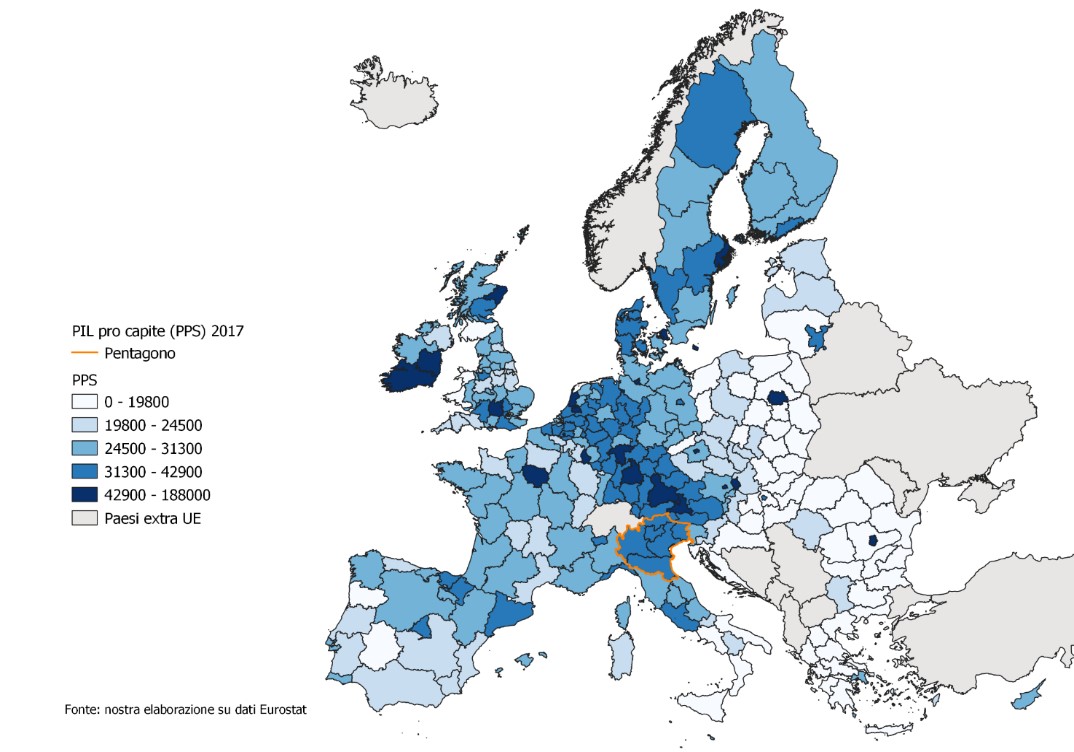
Figura 1. PIL pro capite nelle regioni Europee
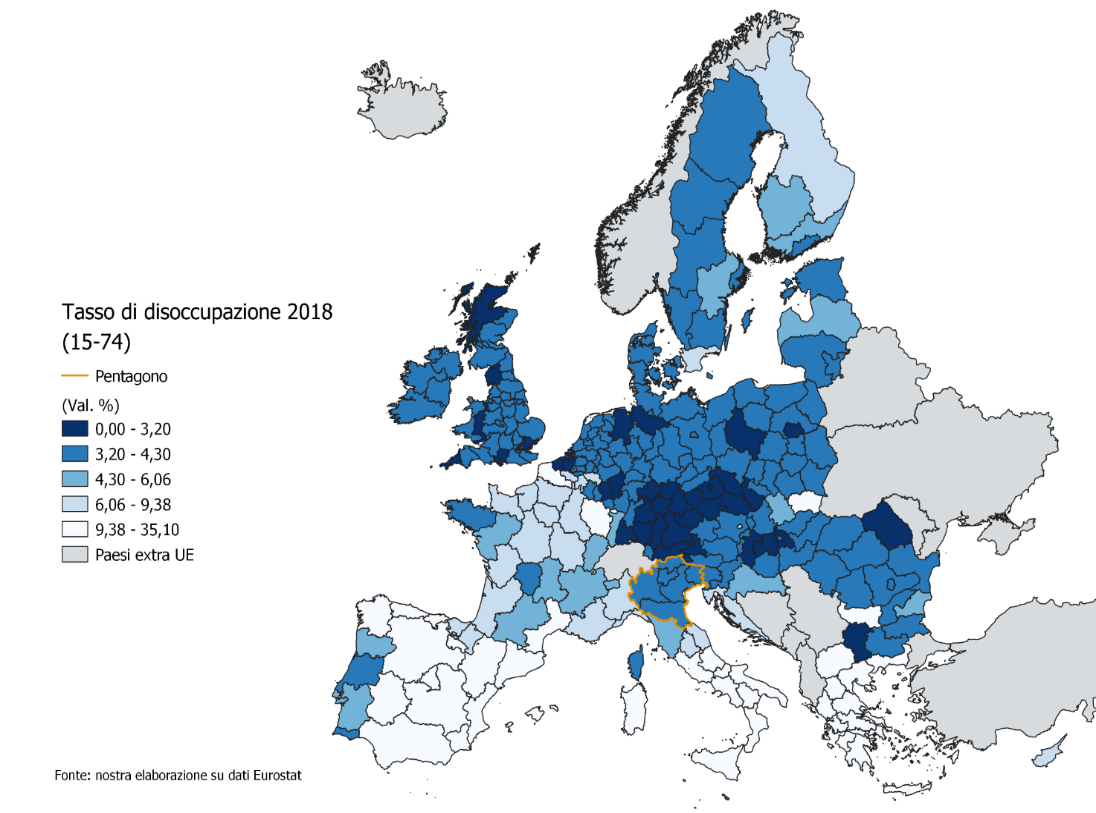
Figura 2. Tasso di disoccupazione nelle regioni europee
A conclusioni simili si perviene guardando ai dati relativi a variabili di tipo amministrativo/ambientale (raccolta differenziata) o tecnologico (numero di brevetti). Le Figure 3 e 4 ci restituiscono ancora una volta l’immagine di un polmone europeo fortemente integrato, di cui fa parte anche il Pentagono.
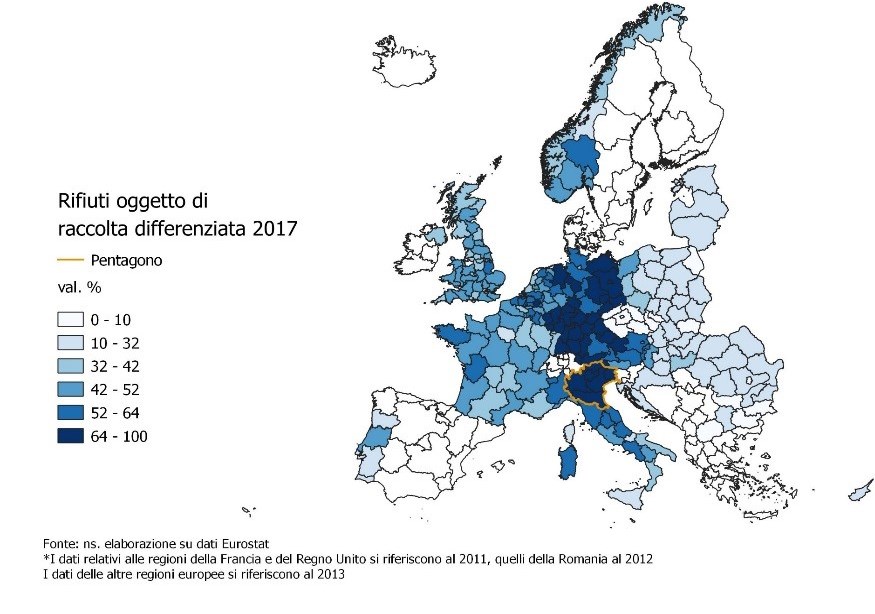
Figura 3. Raccolta differenziata nelle regioni europee
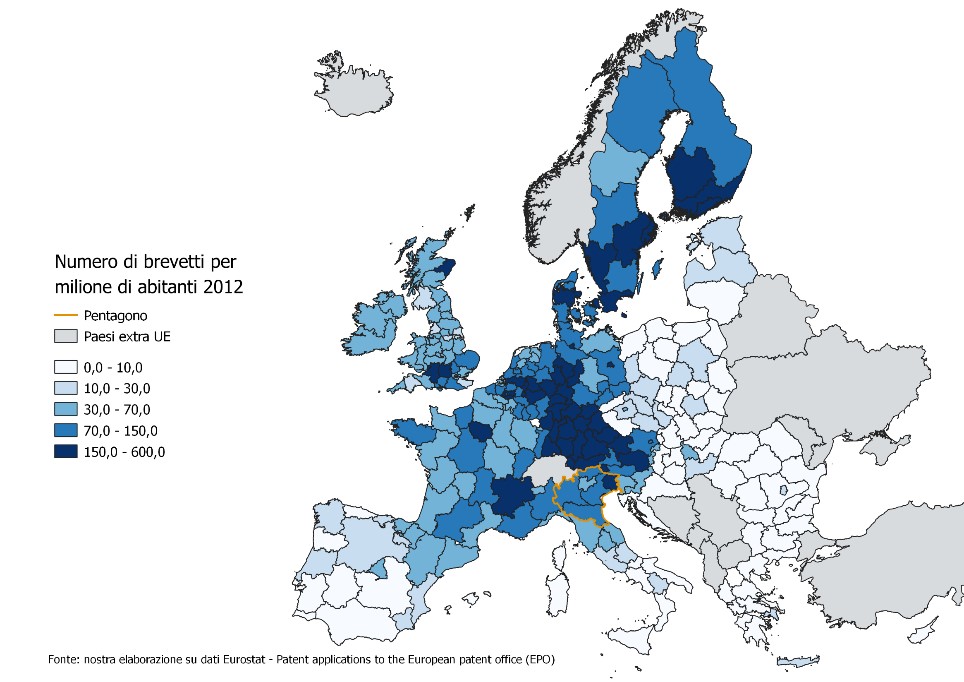
Figura 4. Brevetti nelle regioni europee
Le note meno positive emergono purtroppo quando si guarda ai dati relativi alla formazione e agli investimenti. Non solo le regioni del Pentagono non si distinguono granché dalle altre regioni italiane, ma il gap con le regioni europee più performanti diviene rilevante (si vedano le Figure 5 e 6).
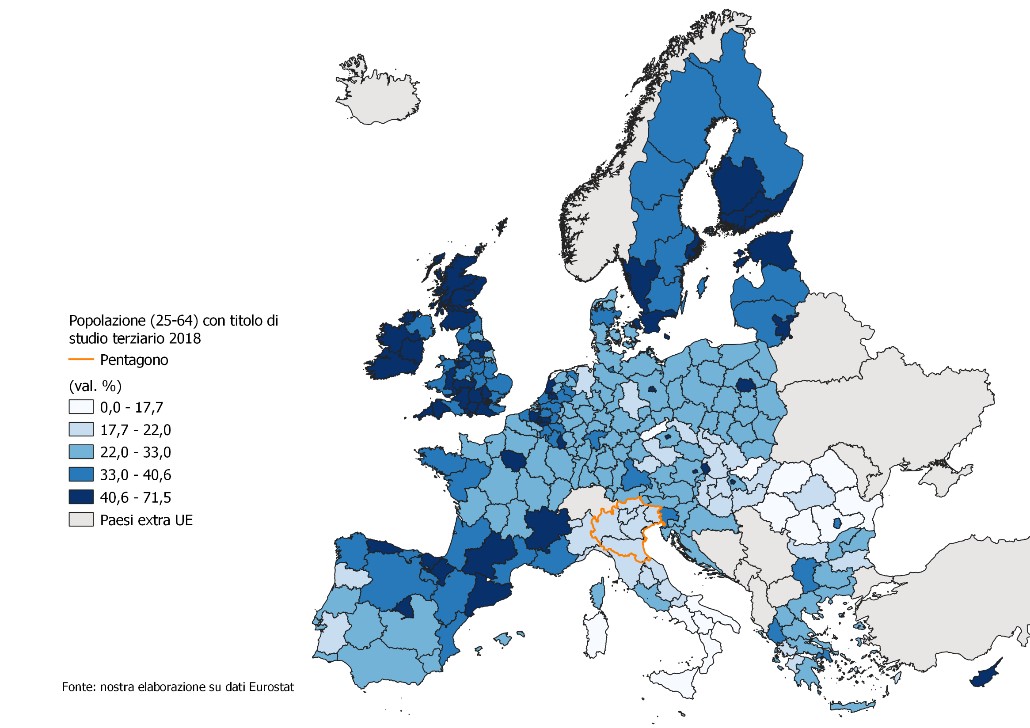
Figura 5. Popolazione con titolo di studio terziario nelle regioni europee
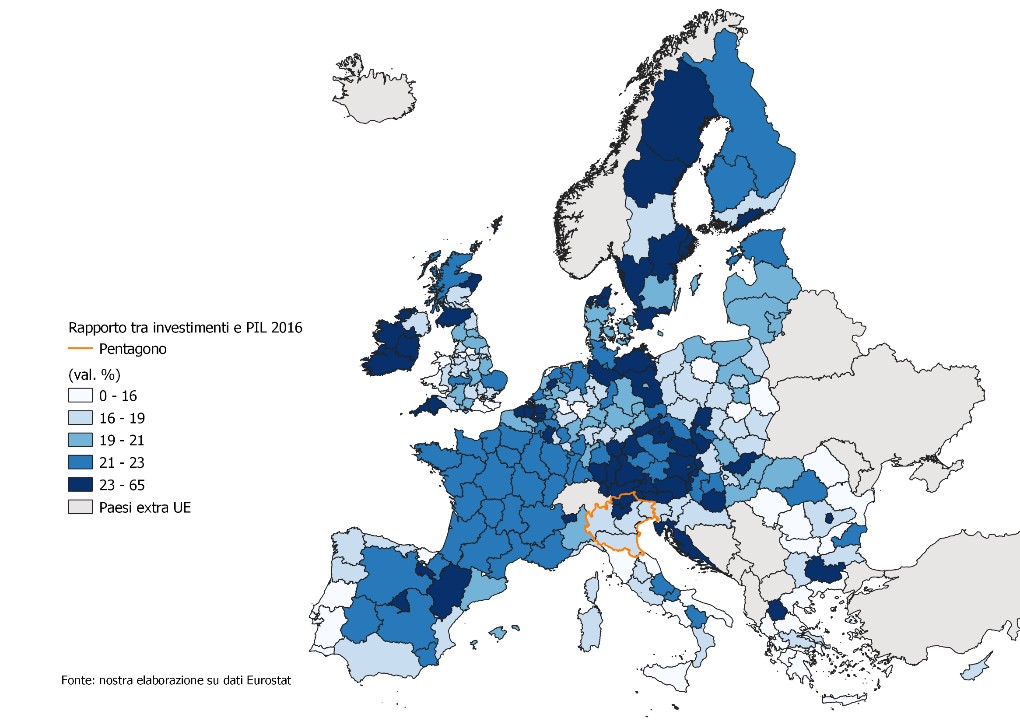
Figura 6. Rapporto investimenti/PIL nelle regioni europee
Con l’eccezione del Trentino Alto Adige, le regioni del Nord Est sono ben distanti dal raggiungere il livello di investimenti del blocco centrale dell’Europa. Basso livello di capitale umano e bassa crescita del capitale fisico sembrano allontanare il Nord Est italiano dall’Europa più produttiva ed economicamente integrata con le nostre regioni. E purtroppo sono proprio questi i fattori che, in una economia globale fortemente competitiva e basata su conoscenza e innovazione, costituiranno i fattori di forza delle regioni europee che cresceranno di più nei prossimi anni.
Lezioni ed Interviste

TEDX - Il clima è già cambiato
Il clima è già cambiato, è un problema da affrontare oggi e non domani: se ne siamo...
Intervista - Transizione ecologica in UE, per completarla...
Intervista al Prof. Carlo Carraro su Il Corriere della Sera - L'Economia. Leggi...
Intervista - Cercare gas in Adriatico: risposta sbagliata...
Intervista al Prof. Carlo Carraro su Il Corriere del Veneto. Leggi l’intervista...
Segui il Blog